NEEDS SUPPORT?
Call me back

Leave your phone number and our Medical Coordinator will contact you

Leave your phone number and our Medical Coordinator will contact you

Samsung Medical Center

Korea, Seoul

Clinic Review

Samsung is one of the most technologically advanced medical centres in the world. The opening of this clinic in 1994 was the realisation of a unique ‘patient-centric’ concept.

Samsung Medical Center

During 20 years of practice, the whole world has become aware of Samsung Medical Centre in Korea. It has been ranked first in the National Customer Satisfaction Index (NCSI) 14 times, the leader in the Korean Customer Satisfaction Index (KCSI) 16 times, the honoured first place in the Service Quality Index (KS-SQI) 12 times in a row, and has been selected as Korea’s top medical brand 12 times.

Today, Samsung is not just a multidisciplinary clinic, but a stronghold of medicine of the future and a global research centre. Samsung Medical Clinic has technologies and equipment that have surpassed what is considered innovation in the world’s best medical centres. In addition, in 2020, the hospital announced Vision 2030: Samsung Medical Centre as the frontier of medicine of the future and is making progress to become the world’s leading hospital.

Numerous positive reviews of Samsung Medical Centre (Seoul, Korea) are further proof of the clinic’s high level. Patients from 167 countries thank the doctors for the high-quality medical care, note the careful attitude and diligence of the nursing staff, as well as excellent living conditions in the clinic.

Samsung Medical Centre Awards and Honours

Samsung Medical Centre Clinic has received many awards and certifications in 2023, attesting to its high level of medical services and quality of patient care. Here are some of them:

  • No. 5 in the world and No. 1 in Asia in the category of ‘World’s Best Specialised Hospital for Cancer Treatment’ in Newsweek’s Global Top 5 ranking.
  • No. 1 in the category of general hospitals in the Korea Customer Satisfaction Index by the Korea Management Consulting Association.
  • 1st place in the hospital category in Brandstock’s Korean Brand Ranking for 20 consecutive years.
  • No. 1 in the hospital category in CEO’s Luxury Goods survey of CEOs of top 500 companies for 18 consecutive years.
  • 1st place in the general hospital category in the Korea Net Promoter Score (KNPS) survey.
  • Ranked 1st in the tertiary hospital category in the Korean Standards Association Service Quality Index (KS-SQI) 2023.

Samsung Technologies

Samsung offers the latest diagnostic and treatment methods, with an emphasis on a highly accurate, personalised approach to each patient. Among the centre’s cutting-edge technologies:

  • Proton therapy, which treats tumours with minimal impact on healthy tissue.
  • The use of Gamma Knife for non-invasive brain interventions.
  • Robotic surgery helps to perform complex surgeries with maximum precision.
  • The Tomotherapy and MR-HIFU provide ultra-precise irradiation of tumours without harming healthy tissue.

The centre is also equipped with a smart ambulance system, a helicopter for emergency transport and automated systems to support diagnostic and logistical processes.

Samsung Clinic’s international cooperation

An undeniable advantage of Samsung Clinic Korea is its cooperation and active exchange of experience with the best medical centres in the world. For example, joint imaging centres for diagnosing cardiovascular diseases have been established with the Mayo Clinic in Rochester (USA). A 32-channel spiral MRI scanner was procured by one such centre for the first time in Asia.

In addition to the Mayo Clinic, Samsung cooperates with such medical giants as Johns Hopkins Medical Center (USA), Anderson Cancer Centre (USA), Cedars Sinai Hospital (USA), as well as clinics and medical centres in Argentina, China, Japan, Egypt and Vietnam.

Infrastructure of Samsung Medical Centre

Samsung Medical Centre consists of the main building, an annex and the Oncology Clinic. In addition, the Proton Centre was commissioned in 2014, and construction of the Ilwon Building and the Outpatient Treatment Centre was completed in 2019. The main building of the clinic has 200 thousand m2 of space, 20 above-ground floors and 5 underground floors. The clinic structure includes 40 departments, 10 specialised centres, 120 specialised clinics and 2,000 beds. Samsung Cancer Centre is located in a 19-storey building (11 above-ground and 8 underground), with an area of over 100,000 m2. There are 655 beds available at the Cancer Centre.

Samsung Clinic is a new generation fully automated medical centre, which has switched to paperless operation. The clinic has installed the world’s largest PACS (file transfer and archiving system) and EMR (electronic medical records) software.

Samsung Medical Centre strives to provide everything necessary to ensure that patients and visitors do not need anything while in the clinic. There are a variety of facilities and services that create maximum comfort and convenience:

  • cafes, restaurants, bakeries and food courts;
  • grocery and souvenir shops;
  • opticians, pharmacies and medical goods shops;
  • banking and postal services;
  • beauty parlour;
  • prayer rooms for representatives of various denominations.

Achievements of Samsung Clinic

Samsung is a world leader in the fields of medicine:

  • oncology;
  • transplantology;
  • neurosurgery;
  • cardiovascular surgery.

Samsung Medical Centre has one of the highest survival rates for patients with cancer in the world. For example, the 5-year survival rate for gastric cancer in Samsung Clinic reaches 88,2%, which is much higher than in the USA, where this indicator is only 35,7%. The situation is similar for lung cancer, with the rate at Samsung reaching 54,1%, compared to 25,4% in the United States.


The hospital also has the highest survival rates for premature babies in the world (above 50% for severely premature babies). The Department of Paediatrics and Infant Care at Samsung Hospital managed to deliver a premature baby who appeared at 25 weeks of pregnancy weighing only 380 grams.

Samsung Medical Centre in figures:

  • 1,297 physicians;
  • 3,139 nurses;
  • 865 medical technicians;
  • 1,623 pharmacists, researchers and administrative staff;
  • 2,362,405 (9,564 per day) outpatients;
  • 80,349 (220 per day) critically ill patients;
  • 103,006 (282 per day) inpatients;
  • 52,843 (214 per day) surgeries performed;
  • 2,000 beds;
  • 1,090 scientific publications;
  • 1,350 research projects in plan;
  • 3,814 ongoing research projects.

Samsung Clinic achievements for 2016 – early 2020:

  • Determined that thoracoscopic arrhythmia surgery increases the success rate of arrhythmia treatment to 92%.
  • Performed the 1,000th ECMO procedure (prolonged artificial blood flow and oxygenation).
  • Performed the 3,000th microvascular decompression for hemifacial spasm and trigeminal neuralgia.
  • Were the first in the world to identify clinical types of advanced gastric cancer.
  • Developed methods for personalised genomic cancer therapy.
  • Thanks to the discovery of a target gene for malignant brain tumours, found personalised treatment options through specific analysis of the evolution of tumour gene mutations.
  • Have successfully treated ‘open ductus arteriosus’ in micro-neonatal infants with conservative methods, without the use of drugs or surgery.
  • Pioneered the discovery of mutational patterns in brain tumours, which is contributing to the development of genomic therapies.
  • Developed methods for personalised treatment and control of genome-based cancer progression using Tgen.
  • Samsung Centre Pharmacy was recognised for global efficacy in the use of chemotherapy drugs.
  • For the first time in Asia, a third-generation LVAD (mechanical circulatory support device) was successfully implanted in elderly patients.
  • Radiofrequency ablation helped 96% of kidney cancer patients who were contraindicated for surgery to go into remission for 2 years.
  • Were the first to identify a genetic disorder that causes amyotrophy in the limbs and facial paralysis.
  • Performed 200 heart transplants (20% of heart transplants in Korea are performed by the Samsung Centre).
  • Developed an improved version of the CHOOStent stent – GI CHOO.
  • They were the first in the world to discover atypical Singleton-Merten syndrome.
  • The Gamma Knife Centre opened the International Training Centre for Radiosurgery and Oncology Treatment.
  • Performed the 2,000th kidney transplant.
  • Performed the first liver transplant from a living donor.
  • The 1,000th endoscopic brain tumour surgery was performed.

Service for overseas patients at Samsung Hospital

Samsung Clinic in South Korea is a ‘Presidential Standard Hospital’. It is the first in the country to update medical equipment. Everything here is thoughtfully designed and created for the needs of patients.

Samsung Seoul Hospital has both single and double rooms, as well as suites. All wards are equipped with a private bathroom, toilet, refrigerator, TV, modern furniture, and in particular a functional bed. Free Wi-Fi and a call button for medical staff are provided.

At Samsung, patients from foreign countries are assigned coordinators who provide 24/7 support. If necessary, foreigners can order airport transfers and interpreter services.

For the fastest and most comfortable treatment of this category of patients, Samsung Medical Centre has an International Centre, which was established in 1995. The Centre provides medical care coordination and primary medical care, including both adult and paediatric therapy, preventive examinations and emergency care.

Since the Centre’s establishment, hundreds of thousands of patients from all over the world have received professional help at the Centre. The Centre employs qualified doctors and nursing staff who speak fluent English, Korean, Arabic, Russian, Mongolian and Chinese. The team of specialists includes doctors in internal medicine, rheumatology, paediatrics, neurology, general surgery, family medicine, pulmonology, orthopaedic surgery, gastroenterology, cardiology, obstetrics and gynaecology, etc.

Samsung Medical Center

Since 30 October 2023, the International Health Centre has been operating on the 5th floor of the SMC Proton Therapy Centre.

Features of the Clinic

Oncology treatment at Samsung Clinic

Samsung Medical Center
  • The survival rate after stem cell transplantation at Samsung Clinic is one of the highest in the world;
  • The success rate for children with leukaemia is 82%;
  • The survival rate for acute leukaemia is 50,7%;
  • Stem cell transplant success rate of 68% (higher than the US average).

The Oncology Clinic at Samsung Medical Centre is the largest in Asia. It provides comprehensive all-around medical care for all types of cancer (from prevention and screening to treatment and rehabilitation).

After purchasing proton therapy equipment, Samsung Hospital (Seoul) has provided a full range of all possible cancer therapies: chemotherapy, radiation therapy, immunotherapy, and targeted therapy. The Samsung Research Centre is also exploring gene therapy, new immune therapies, and bone marrow transplantation. For early diagnosis, the clinic has a PET-CT machine.

The structure of the medical centre includes specialised centres for each of the common types of cancer. The colorectal cancer centre of the Samsung Oncology Clinic is ranked No. 1 in the rating of treatment efficiency evaluation by the Agency for Health Insurance Control and Evaluation.

The Oncology Clinic also leads in the treatment of haemato-oncological diseases and bone marrow transplantation. One of the clinic’s developments is a new assessment scale that can predict changes in patients with extranodal NK/T-cell lymphoma. Statistics from Samsung Specialised Cancer Centres:

  • more than 100 surgical procedures for telescopic removal of cancerous tumours in patients with early-stage lung oncology annually;
  • 500 admitted female patients per year with female organ oncology, 350 surgeries performed annually;
  • 200 new young patients with cancer, 90-100 stem cell transplant procedures per year;
  • 1,800 operations for gastric oncology and 1,500 surgical procedures for colorectal cancer (a world record for the number of cases of surgical treatment).

The 5-year survival rate for various cancers at Samsung Clinic is:

DiagnosisSurvival rate at SamsungSurvival rate in the US
Stomach cancer88,2%35,7%
Colorectal cancer84,0%65,0%
Lung cancer54,1%25,4%
Breast cancer95,6%90,6%
Liver cancer57,6%21,6%
Prostate cancer99,6%97,1%
Pancreatic cancer19,4%12,5%
Cervical cancer84,7%67,2%
Brain and CNS cancer43,7%33,8%
Non-Hodgkin’s lymphoma73,0%74,3%

The Samsung Oncology Centre is equipped with the latest technology. It has all the facilities to treat patients:

  • minimally invasive surgery (single port surgery, 8 Da Vinci robotic systems, endoscopic equipment);
  • radiofrequency ablation – a painless technique to destroy tumours;
  • proton therapy – the newest method of radiotherapy, providing precise irradiation of tumours with minimal impact on healthy tissues;
  • the introduction of artificial intelligence-based predictive programmes to improve cancer treatment outcomes.

Samsung’s Brain Tumour Treatment Unit has become a leader in terms of the number of interventions. For example, more than 6,000 procedures have been performed here using the Gamma Knife system for non-invasive tumour removal. State-of-the-art diagnostic technologies such as perfusion and functional MRI, PET and PET-CT are available at the centre. To improve the accuracy and safety of operations, fluorescent staining of brain tumours, intraoperative neurophysiological monitoring, neuroendoscopic equipment, etc. are used. Advanced radiotherapy techniques such as intensity-modulated radiotherapy (IMRT), image-guided radiation therapy (IGRT) and other units are also available.

The Breast Cancer Centre treats recurrent, metastatic and irreversible breast cancer, hereditary cancer, cancer in young women as well as cancer in pregnant women and men. The centre’s arsenal includes the latest treatments such as oncoplastic surgery, personalised treatment using genome analysis, and targeted and immune therapies. Clinical trials to study the efficacy of new approaches in the treatment of breast cancer are also actively underway. Research related to hormone therapy and modern chemotherapeutic agents is underway.

The Colorectal Cancer Centre diagnoses and treats various forms of malignant tumours of the colon and rectum, anal cancer, recurrent and metastatic tumours, and hereditary forms of cancer. More than 1,600 operations are performed here every year using modern technologies – minimally invasive methods and robotic surgery. All procedures are performed following international protocols.

Samsung Medical Centre has been actively using robotic surgery, reaching an impressive milestone of 20,000 surgeries. Surgeons have accumulated extensive experience, increasing the number of robotic interventions each year. In 2023, Samsung is ranked 9th in the world in terms of their number. The centre has installed 8 robotic surgeons, and with the introduction of a new single-port robot, the plan is to further improve the accuracy of operations and access to hard-to-reach areas.

The CAR-T Cell Therapy Centre at Samsung Medical Center was the first in South Korea to introduce the innovative method for treating patients with refractory B-cell lymphoma and other cancers. To date, the centre has successfully performed 175 procedures, demonstrating the high rate of development and demand for this technology. The head of the centre, Professor Won Seok Kim, says that their goal is to provide patients with the best treatment options and high-quality care by expanding access to the latest methods of combating haemato-oncological diseases.

CAR-T cell therapy is an advanced immunotherapy method in which a patient’s T cells are modified to fight cancer cells. The therapy has shown high efficacy in the treatment of several types of haemato-oncological diseases such as B-cell lymphoma, acute lymphoblastic leukaemia and multiple myeloma. The effectiveness of CAR-T therapy has been proven by many studies.

Organ transplantation at Samsung

Samsung Clinic performs lung and heart transplants, kidney and liver transplants, small intestine transplants, heart valve transplants, bone transplants, skin transplants, corneal transplants, and more. Transplants from living donors are performed here using laparoscopic surgery, which significantly reduces operation time, pain and risk of complications compared to the open method. Samsung is the only hospital in Korea that performs all liver transplants from living donors using the laparoscopic method.

The centre boasts a high success rate for kidney transplants with incompatible blood groups. Korea’s first kidney transplantation without the use of immunosuppressant drugs was performed here. This approach can significantly improve the quality of life of patients after surgery.

Patients are offered a full range of services at all stages of organ transplantation:

  • pre-operative counselling;
  • psychological counselling;
  • inclusion on the organ recipient list;
  • post-transplant outpatient visits;
  • patient education;
  • medication selection and recovery monitoring.

Achievements of the Department of Transplantation:

  • The success rate of liver transplantation at Samsung is one of the highest in the world;
  • Bloodless liver transplantation, homogeneous pancreatic tissue transplantation, intestine and liver transplantation for a 3-month-old child were performed here for the first time in Korea;
  • The 5-year survival rate after the liver transplant procedure is 95%.

Cardiovascular surgery at Samsung Medical Centre

The field of cardiology and cardiac surgery is one of the main focus areas at Samsung Medical Centre. In 2014, the Cardiovascular Disease and Stroke Institute was established at the clinic, which is known for its expertise and high results not only in Korea but also in the Asia-Pacific region. A multidisciplinary approach to diagnosis and treatment as well as rehabilitation of patients with cardiovascular diseases is organised here.

As of 2023, the institute has achieved the highest results in performing surgeries using Heartmate 3 left ventricular assist devices (LVAD). In addition, cardiac surgeons have performed more than 156 surgeries for artificial heart implantation with a success rate of 99%. Korea’s first 3rd generation artificial heart transplant surgery was also performed here, and more than 100 such surgeries will be performed by 2023. Artificial heart implantation is a life-saving procedure to maintain blood circulation in patients with terminal heart failure until the donor organ is transplanted.

Samsung Medical Center

The Institute actively uses innovative technologies such as percutaneous pulmonary valve implantation (PPVI) and transapical aortic valve implantation (TAVI). Various examinations to detect vascular diseases are carried out here, and the latest models of MRI and ultrasound machines are used, which contributes to the early detection of pathologies and effective treatment.

The Samsung Clinic performs cardiac surgery on newborns and infants. For example, in 2021, Korea’s first operation to close the patent ductus arteriosus (PDA) in an infant with an extremely low birth weight of only 1,76kg was performed here, and in 2022, cardiac surgeons saved the life of an infant weighing only 1,1kg.

Treatment methods for cardiac diseases at Samsung Hospital:

  • Doctors at Samsung Hospital have achieved the lowest mortality rates among patients with coronary artery disease. From 2009 to 2014, the hospital was recognised as the best hospital with the fastest response to acute myocardial infarction. The centre is equipped with a hybrid operating theatre that allows complex surgeries and stent placement at the same time.
  • The heart failure team uses advanced techniques such as cardiac resynchronisation therapy (CRT), implantable cardioverter-defibrillator (ICD) and heart transplantation. 20-25 heart transplants are performed every year, and even patients with severe heart failure have excellent outcomes thanks to state-of-the-art therapies.
  • The team of specialists in arrhythmia therapy at Samsung Hospital has established itself as one of the best in Korea. Radiofrequency catheter ablation and pacemaker placement are performed here. The introduction of the concept of hybrid surgery for atrial fibrillation has changed the approach to the treatment of this disease.
  • The specialised aortic disease team is dedicated to the precise diagnosis and treatment of aortic aneurysms and aortic dissection. If disturbed blood flow in the lower limb vessels is suspected, angiography and CT angiography are performed, followed by catheterisation and stent placement to improve blood flow.
  • The centre provides preventive treatment and risk factor control for all patients, including those with pre-existing cardiovascular disease. Physicians collaborate with the Sports Medicine Centre to provide rehabilitation programmes to improve the quality of life and survival of patients with heart disease.
  • In addition, Samsung has a Women’s Heart Clinic. It offers certified specialists to help women with chest pain, breathing difficulties and heart palpitations. The clinic works closely with the Cardiovascular Imaging Centre and the departments of Endocrinology and Obstetrics.

Cardiology and cardiac surgery are among the main areas of focus at Samsung Medical Centre. In 2014, the Institute of Cardiovascular Diseases and Stroke was established at the clinic, renowned for its expertise and excellent results not only in Korea but also in the Asia-Pacific region. It takes a multidisciplinary approach to the diagnosis, treatment and rehabilitation of patients with cardiovascular diseases.

Samsung Medical Center

Samsung Seoul Hospital is a leader in the ranking of success and efficiency of aortocoronary bypass surgery by the Health Insurance Supervision and Evaluation Agency.

The hospital is the author of many discoveries and developments in the field of cardiovascular disease therapy. For example, Samsung researchers discovered for the first time in the world that the cause of chest pain complaints in patients with severe aortic valve stenosis is due to reduced capillary function resulting from left ventricular hypertrophy. At Samsung Cardio-Cerebrovascular Hospital, balloon angioplasty was successfully performed for the first time in Korea on a patient with chronic thrombotic pulmonary hypertension.

The Samsung Clinic successfully performs microsurgical heart surgeries. These interventions are performed using miniature instruments that are inserted through several small incisions rather than through a large incision (as in classical surgery). After such treatment, there are practically no scars and the rehabilitation period is significantly reduced.

Neurosurgery at Samsung Clinic

The Samsung Neurosurgery Department is the leader in Korea and the world’s leading centre in terms of success rate, expertise and technology. Samsung Clinic was the first in Asia and the sixth in the world to introduce a new version of the Gamma Knife device, the Icon. Both the new and the previous version of Gamma Knife – Perfexion – are currently available at the medical centre. Samsung is one of only 4 medical centres in the world where 2 units of Gamma Knife are available at once.

Samsung neurosurgeons’ experience in numbers:

  • More than 3,500 procedures per year for brain tumour therapy;
  • more than 20,000 outpatients;
  • 600 surgical procedures;
  • more than 500 procedures for spinal nerve disease therapy;
  • less than 1% occurrence of postoperative complications in the form of paralysis.

Advanced technology at the Samsung Centre:

  • High-precision brain wave research instruments;
  • intraoperative monitoring;
  • localised surgery apparatus (Stereotactic frame: CRW, Leksell);
  • neuroendoscopy;
  • functional MRI and PET.

Treatment of children and adolescents at Samsung Clinic

The Children’s Department at Samsung Hospital is a leading paediatric facility in South Korea that offers a wide range of services for children and adolescents. The department is renowned for its innovative approach to treatment, high level of medical care and care for every young patient.

  • Samsung Children’s has set a world record for survival rate for patients with high-risk neuroblastoma.
  •  Each year, the department treats more than 10,000 inpatients and 182,000 outpatients.
  • The department is equipped with the latest medical equipment, which allows for the most effective and safe methods of diagnosis and treatment.
  • Doctors from various specialities work together to provide comprehensive treatment for patients.
  • More than 5,000 surgical operations are performed in the department each year.
  • Each child receives an individualised treatment plan tailored to his or her specific characteristics and needs.
  • The department has achieved outstanding results in nursing the youngest premature babies, providing them with all the necessary conditions for survival and full development.

The department’s specialists have in-depth knowledge and experience in diagnosing and treating a wide variety of paediatric diseases. Newborns, including premature ones, as well as children with congenital malformations, cardiovascular diseases, oncological diseases, respiratory diseases, digestive diseases and other pathologies are treated here.

One of the main priorities of the clinic is the safety of young patients. When treating children, the most modern and safe methods are used, which allow to achieve maximum efficiency of treatment with minimal risk of complications. Doctors carefully select an individual treatment plan for each child, taking into account age, body features and severity of the disease. Special attention is paid to the use of gentle treatment methods that do not harm the growing organism.

Instead of extensive surgeries, low-trauma surgical methods are increasingly used, which allow for a shorter recovery period and lower risk of complications. Many diagnostic and therapeutic procedures are performed using endoscopes, which helps minimize trauma and reduce the time spent in hospital.

One of the key areas of work of the department is neonatology. The neonatal department has all the conditions for nursing premature babies and newborns with various pathologies. Highly qualified medical staff, modern equipment and individual approach to each child allow for achieving high results in the treatment of even the most complicated cases.

The department also pays great attention to the psychological support of children and their families. Psychologists help children adapt to hospitalisation, overcome fears and anxieties, and support parents in difficult situations. There is a ‘school in the hospital’ where children can continue their education during prolonged hospitalisation.

Spine Treatment Centre at Samsung Hospital

The Spine Centre has a team of doctors specialising in orthopaedic surgery, neurosurgery, pain management, physiotherapy, neurology, radiology, surgical oncology and chemotherapy to provide comprehensive care for patients with various spinal pathologies.

The Centre works in the following areas: spinal deformities, tumours, fractures, infectious and degenerative diseases of the cervical, thoracic and lumbar spine, and chronic pain therapy.

Doctors use a variety of methods to effectively treat spinal conditions – conservative and surgical. When surgery is necessary, doctors prefer to use minimally invasive surgery, which reduces recovery time and pain for patients. In addition to this, personalised physiotherapy and rehabilitation programmes are offered to improve strength, flexibility and range of motion.

The Centre operates 2 clinics:

  • Spinal Tumour Clinic. The Spinal Tumour Board works to make an accurate diagnosis and select a therapy programme. Modern diagnostic equipment is available for patients here – positron emission tomography, angiography, CT-guided biopsy, MRI and holistic bone scanner. Surgeons who have experience in performing complex and delicate surgeries such as total spondylectomy, total sacrectomy and reconstruction are employed to remove neoplasms. In addition to this, the facilities here are well equipped to accurately and safely irradiate tumours.
  • Spinal Deformities Clinic. Scoliosis and kyphosis caused by congenital and degenerative pathologies are treated here. More than 100 children with spinal curvature are treated here every year and the largest number of surgeries in Korea is performed. The doctors use various surgical techniques to achieve the best possible result.

Check-Up at Samsung Clinic

Samsung Clinic’s Comprehensive Diagnostic Centre is one of the largest and most comfortable in South Korea. More than 63,000 people from different countries come here every year. The centre employs 60 specialists, including gastroenterologists, radiologists, endocrinologists, gynaecologists, cardiologists and pulmonologists. The latest generation equipment is used for diagnostics – 3.0 Tesla MRI, 128-channel CT, hybrid PET-CT and others.

The examination is carried out in a convenient format, which allows you to complete a set of tests within a few hours. If any abnormalities are detected, the patient is referred to the outpatient department for further examination and specialised care.

Sign up for a check-up

Samsung Medical Center

Basic Check-Up Programme

Duration2 hours
IndicationThe programme is suitable for men and women who wish to have a comprehensive health assessment.
Programme composition
  • Measurement of height, weight, blood pressure, and body mass index.
  • Visual acuity test, eye fundus examination, intraocular pressure measurement.
  • Blood tests: determination of blood group, coagulation indices, general blood count, syphilis and hepatitis A/B/C tests, liver and kidney function tests, uric acid levels, thyroid hormones, lipid profile, vitamin D levels and tumour markers.
  • Urine and faecal analyses.
  • Abdominal ultrasound, endoscopy (with sedation).
  • Chest X-ray.
  • Electrocardiogram.
  • For women: mammography (over 35 years of age) and gynaecological examination (PAP test).

Sign up for a check-up

Comprehensive Check-Up Programme

Duration3 hours
IndicationThe programme is designed for men and women interested in a detailed health assessment, including in-depth examinations and screening for chronic diseases and cancer.
Programme composition
  • Measurement of height, weight, blood pressure, body mass index.
  • Visual acuity test, eye fundus examination, intraocular pressure measurement.
  • Blood tests: coagulogram, blood group determination, general blood count, tests for syphilis, HIV, hepatitis A/B/C, liver and kidney function, uric acid levels, thyroid hormones, lipid profile, sugar and inflammation (CRP), anaemia, sex hormones, vitamin D and tumour markers.
  • Urine and faecal analyses.
  • Abdominal ultrasound, endoscopy (with sedation).
  • Chest X-ray.
  • Electrocardiogram.
  • For men only: ultrasound of the carotid arteries.
  • For women only: breast ultrasound, mammography (over 35 years of age), gynaecological examination (PAP test, HPV test, pelvic ultrasound).

Sign up for a check-up

Executive Check-Up Programme

Duration4 hours
IndicationSuitable for men and women who want an in-depth health check-up, including diagnosis of a wide range of diseases and a comprehensive examination of the major body systems.
Programme composition
  • Measurement of height, weight, blood pressure, body mass index.
  • Visual acuity check, eye fundus examination, intraocular pressure measurement.
  • Blood tests: coagulogram, blood group determination, general blood count, tests for syphilis, HIV, hepatitis A/B/C, liver and kidney function, uric acid levels, thyroid hormones, lipid profile, sugar and inflammation (CRP), anaemia, sex hormones, vitamin D, tumour markers and NT-pro BNP to assess heart function.
  • Urine and faecal analyses.
  • Abdominal ultrasound, endoscopy (with sedation), colonoscopy (with sedation).
  • Chest X-ray.
  • Electrocardiogram and echocardiography.
  • Densitometry (over 35 years of age), ultrasound of the thyroid gland.
  • For men only: ultrasound of the carotid arteries.
  • For women only: breast ultrasound, mammography (over 35 years of age), gynaecological examination (PAP test, HPV test, pelvic ultrasound).

Sign up for a check-up

Executive Check-up Program on Cancer

Duration5 hours
IndicationRecommended for men and women seeking advanced cancer screening and general health checks for early detection of cancer.
Programme composition
  • Measurement of height, weight, blood pressure, and body mass index.
  • Visual acuity check, eye fundus examination, intraocular pressure measurement.
  • Blood tests: coagulogram, blood group determination, general blood count, tests for syphilis, HIV, hepatitis A/B/C, liver and kidney function, uric acid levels, thyroid hormones, lipid profile, sugar and inflammation (CRP), anaemia, sex hormones, vitamin D, cancer markers.
  • Urine and faecal analyses.
  • Abdominal ultrasound, endoscopy and colonoscopy with sedation, CT scan of abdominal and pelvic organs.
  • Chest X-ray (direct and lateral), low-dose CT of the lungs for cancer screening.
  • Electrocardiogram.
  • Thyroid ultrasound.
  • For women only: breast ultrasound, mammography (over 35 years of age), gynaecological examination (PAP test, HPV test, pelvic ultrasound).

Sign up for a check-up

Premium Check-Up Programme

Duration7-8 hours
IndicationDesigned for men and women interested in comprehensive and in-depth health diagnostics, including cancer, cardiovascular and endocrinological screening.
Programme composition
  • Measurement of height, weight, blood pressure, and body mass index.
  • Visual acuity test, eye fundus examination, intraocular pressure measurement.
  • Blood tests: Coagulogram, blood group determination, general blood count, tests for syphilis, HIV, hepatitis A/B/C, liver and kidney function, uric acid values, thyroid hormones (including antibodies to microsomes), lipid profile (apolipoprotein A/B and LDL fractions), blood sugar (including insulin and C-peptide), CRP, anaemia, sex hormones, cancer markers, extended blood tests (thyroid function, electrolytes, cardiovascular risk markers, osteocalcin, serum CTx, vitamin D, vitamin B12, folic acid).
  • Urine and faecal analyses.
  • Abdominal ultrasound, endoscopy and colonoscopy with sedation.
  • Chest X-ray (direct and lateral projection), low-dose CT of the lungs.
  • Electrocardiogram, echocardiography, pulse wave velocity analysis, carotid artery Doppler.
  • Osteodensitometry (over 35 years of age), thyroid ultrasound.
  • MRI and MRA of the brain, PET-CT, dental examination with panoramic radiography, and audiometry.
  • For men only: CT scan with coronary calcium determination, cataract examination.
  • For women only: breast ultrasound, mammography (over 35 years of age), gynaecological examination (PAP test, HPV test, pelvic ultrasound).

Sign up for a check-up

Additional tests can be added to any Check-Up package for a more detailed examination. Among the additional tests available are:

  • Doppler sonography of the carotid arteries
  • Echocardiography
  • Breast ultrasound
  • Pelvic ultrasound
  • Thyroid ultrasound
  • Prostate ultrasound
  • Exercise test
  • Pulse wave velocity analysis
  • Cataract examination
  • Osteodensitometry
  • Brain MRI/MRA
  • Low dose CT of lungs
  • Coronary artery calcium CT
  • CT of abdominal and pelvic organs
  • Colonoscopy
  • Test for the presence of H. pylori bacteria
  • Urine test for nicotine (cotinine)
  • etc.
Price of medical services at Samsung Medical Centre

The cost of treatment at Samsung Medical Centre is much lower than in similar clinics in the USA and UK, and comparable to the prices in Turkish clinics. At the same time, the quality of medicine sometimes exceeds clinics in these countries. For treatment of some diseases in Samsung Clinic they use the Da Vinci robotic system. The cost of operations performed with the help of this system is lower than in clinics in Germany and Israel.

ProcedureCost
Specialist consultationfrom $100-120
Check-up for women and menfrom $695
MRIfrom $1,100
ProcedureCost
Prostatectomy with Da Vinci robotfrom $23,000
Nephrectomy with Da Vinci robotfrom $20,500
Hysterectomy with Da Vinci robotfrom $21,000

Testimonials (1)

Average clinic rating
  • 5
Pam
Age: 74

My mother needed a cochlear implant. We have heard from other people with the same issue that in Samsung Hospital they perform this procedure very good. Travel was stressful, so thank you for the help we had with the documents and openin... Read more

Certificates

ISO 9001 Quality Management System
Joint Commission International
Korean Institute for Healthcare Accreditation
Turkish Academy of Esthetic Dentistry (EDAD) Certificate
World's Best Hospitals by Newsweek

Doctors

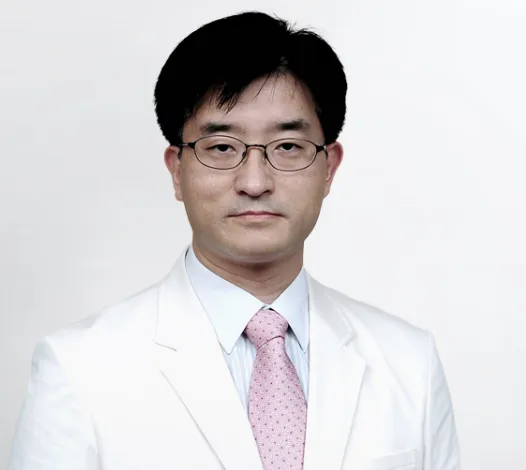
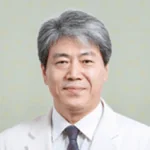
Leading specialist in the Department of Thoracic and Cardiovascular Surgery at Samsung Medical Centre. He has been the Director of the Lung and Esophageal Cancer Centre since 2021. Graduated from Seoul National University College of Medicine. He specialised in thoracic and cardiovascular surgery at Samsung Medical Centre and Seoul University. He worked at the Seoul District Military Hospital. He is a recognised expert in robotic lung surgery using the Da Vinci Robot. He is also an expert in lung transplantation.Membership of professional organisations:
  • Korean Society of Thoracic and Cardiovascular Surgery.

Doctor's specialities: lung cancer, oesophageal cancer, lung transplantation, operative thoracic surgery, pneumothorax, mediastinal tumour, robotic surgery.
Доц. Чой Йонг Су
Choi Yong Soo
Experience:
Cardiovascular surgery
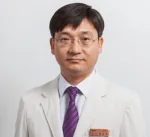
Renowned cardiologist in Korea. One of the best specialists at Samsung Medical Centre. He graduated from Seoul National University College of Medicine. He specialised in cardiology at the same university. He completed postdoctoral training at the Division of Cardiology, Falk Cardiovascular Research Centre, Stanford University School of Medicine, USA.Membership in professional organisations:
  • Korean Society of Internal Medicine;
  • Korean Circulatory Society;
  • Korean Society of Hypertension;
  • Korean Society of Lipidology and Arteriosclerosis.

Doctor's specialities: pulmonary embolism, Marfan's syndrome, arterial hypertension, Takayasu's disease.
Проф. Ким Дук Кьян
Kim Duk Kyung
Experience:
Cardiology
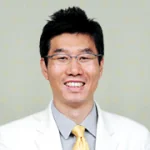
Top gynaecologist in Korea, one of the best specialists in obstetrics and gynaecology at Samsung Clinic. Graduated from Seoul National University Medical College. He specialised in gynaecological oncology at the Department of Obstetrics and Gynaecology, Seoul National University Hospital. He worked as a visiting researcher at the National Cancer Institute of Bethesda, USA.Membership in professional organisations:
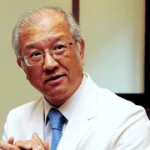
  • American Association for Cancer Research;
  • International Society for Cancer in Gynaecology;
  • Scientific Committee of the Korean Cancer Association;
  • Scientific Committee of the Korean Society of Gynecological Oncology and Colposcopy;
  • Korean Society of Obstetrics and Gynaecology.

Doctor's specialities: gynaecological malignancies (cervical cancer, ovarian cancer, endometrial cancer), gynaecological tumours (uterine myoma, endometriosis, ovarian tumour), minimally invasive surgery, laparoscopic surgery.
Проф. Ким Бенг Ик
Kim Byoung Gie
Experience: over 24 years
Obstetrics and gynecology
One of the best gastroenterologists in Korea, leading specialist at Samsung Clinic. Graduated from Seoul National University Medical College. Specialised at Samsung Medical Centre and the University of Seoul. Worked in the pancreatic research group at the University of California, Los Angeles.Membership in professional organisations:
  • Secretary General of Asian EUS Korea Society;
  • Public Committee of the Korean Society of Gastrointestinal Endoscopy;
  • Insurance Committee of the Korean Society of Gastroenterology;
  • Editorial Board of the World Journal of Gastroenterology;
  • EUS Committee of the Korean Society for Endoscopy in Gastroenterology;
  • Korean Pancreatobiliary Association (Deputy Secretary General).

Doctor's speciality: pancreatic cancer, gallbladder and ductal cancer, therapeutic ERCP, EUS, pancreatitis, biliary nodule (stone).
Проф. Джон Хайен Ли
Lee Joon Hyeok
Experience: over 24 years
Gastroenterology
Top gastroenterologist in Korea. Expert in the field of gastrointestinal oncology. Director of the Pancreatic and Biliary Cancer Centre and Gastroenterology Centre at Samsung Medical Centre. He graduated from Hanyang Medical College. He specialised in gastroenterology at Samsung Medical Centre and Hanyang University Hospital. Worked abroad at the Second Red Cross Hospital (Kyoto, Japan) and Stanford University School of Medicine (California, USA).Membership in professional organisations:
  • Publications Committee of the Korean Society of Gastrointestinal Endoscopy and Gastroenterology;
  • Insurance Committee of the Korean Society of Gastroenterology.

Doctor's speciality: pancreatic cancer, gallbladder and ductal cancer, therapeutic ERCP, pancreatitis, biliary nodule (stone).
Проф. Кю Таэ Ли
Kyeong-tae Lee
Experience: over 27 years
Endocrinology
Professor, an eminent radiation oncologist and leading specialist in the Department of Radiation Oncology at Samsung Hospital. He has a total experience of over 35 years, of which he has been working at Samsung Medical Centre in Seoul for 23 years.
Doctor's specialisation: oncology, radiology, radiation oncology, radiation therapy.
Проф. Сонг Дже Ху
Jae-Hoon Song
Experience: over 37 years
Oncology
Leading specialist in obstetrics and gynaecology at Samsung Hospital. Director of the Gynecological Cancer Centre. Graduated from Gyeongsangnam National University College of Medicine. He specialised in gynaecological oncology at the Department of Obstetrics and Gynaecology, Samsung Hospital. He was a visiting professor at the Anderson Cancer Centre of the University of Texas at Houston, USA. A recognised expert in robotic, minimally invasive, laparoscopic surgery for gynaecological diseases.Membership in professional organisations:
  • Scientific Committee of Korean Cancer Association;
  • Scientific Committee of the Korean Society of Gynaecological Oncology and Colposcopy;
  • Scientific Committee of the Korean Society of Gynaecological Endoscopy and Minimally Invasive Surgery.

Doctor's specialities: gynaecological malignancies (cervical cancer, ovarian cancer, endometrial cancer), gynaecological tumours (uterine myoma, endometriosis, ovarian tumour), minimally invasive surgery, laparoscopic surgery, urogynaecological surgery, robotic surgery.
Др. Чжон Вон Ли
Jeong-Won Lee
Experience: more than 15 years
Obstetrics and gynecology
Leading urologist at Samsung Medical Centre. Graduated from Seoul National University College of Medicine. He completed his internship at the same university. Also completed an internship at the University of California, Los Angeles. Top specialist in robotic surgery in urology.Membership in professional organisations:
  • Korean Urological Association (KUA);
  • Korean Prostate Society (KPS, President);
  • Korean Urological Oncology Society (KUOS).

Doctor's speciality: robotic surgery, urological oncology (prostate, bladder, kidney cancer), benign prostatic hyperplasia.
Доц. Ли Хён Му
Hyun Moo Lee
Experience: over 28 years
Urology
Professor Ahn Jin Seok is an outstanding oncologist. Associate Professor of the Department of Hematology and Oncology in the Samsung Medical Center. Expert in the diagnosis and treatment of breast cancer and lung cancer. He graduated from the Medical College of Seoul National University. In the basis of the same university he received his specialization in oncology.
    Membership in professional organizations:
  • Korean Cancer Association;
  • Korean Association of Internal Medicine;
  • Korean Society of Hematology;
  • Korean Society for Hematopoietic Stem Cell Transplantation;
  • Korean Association for the Study of Lung Cancer;
  • Korean Association of Clinical Oncology;
  • International Association for the Study of Lung Cancer.

Specialization of the doctor: medical oncology, lung cancer, breast cancer , hematology.
Проф. Ан Цин Сеок
Ahn Jin Seok
Experience: 20 years
Oncology
TOP-oncogynecologist of Korea, leading specialist in female oncology at Samsung Medical Center. He is a recognized expert in the treatment of cervical cancer and breast cancer. Has an extensive experience in robotic as well as endoscopic surgery. He graduated from the Medical Faculty of the University of Seoul. Specialization in gynecology he received in the basis of the University of the hospital Samsung. Author of numerous scientific publications in international publications.
    Membership in professional organizations:
  • Oncogynecology and Colposcopy Society of Korea;
  • Korean Association of Endoscopic and Minimally Invasive Surgery in Gynecology;
  • Society of Obstetrics and Gynecology of Korea;
  • American Society of Clinical Oncology.

Specialization of the doctor: gynecological oncology, breast cancer, cervical and ovarian cancer, fibroids, urogynecology.
Доц. Ким Тэ Джунг
Kim Tae Joong
Experience: 14 years
Oncology
Lead oncourologist in clinic Samsung with more than 30 years of experience. He is an expert in the treatment of kidney and prostate cancer. He graduated from the Faculty of Medicine of the University of Seoul. Received additional specialization in microbiology. Worked at the University of Duke, USA. He has the title of professor. In the clinic, Samsung has been working for more than 20 years, at the moment he is the head of the urology department.
    Membership in professional organizations:
  • Korean Cancer Society (KUOA);
  • Korean Urological Association (KYA);
  • Urological Association of Asia (UAA);
  • Urological Association of America (AUA);
  • European Association of Urology (EAU).

Specialization of the doctor: oncourology, kidney cancer, prostate cancer, prostate adenoma, prostatectomy.
Проф. Чой Хан Ен
Choi Han Yong
Experience: 38 years
Oncology

Location of the Clinic

81 Irwon-ro, Irwon-dong, Gangnam-gu, Seoul, South Korea
Incheon International Airport 11B / by bus 6009 to the Samsung Clinic, opposite to the main entrance (on foot) about 5 minutes.By car from Incheon Airport:Airport - Sinbul IC - Freeway Incheon International Airport - 88JC - bridge ongjakdaegyo - Cheongdamdor Park - GS Caltex - COEX - Irwon Tunnel - Samsun Clinic  
Korea
Korea
The specialists of the MEDIGLOBUS Support Team will help you to get an individual Treatment Plan with a Price Quote.

FAQ

Similar clinics

Girin Plastic Surgery Clinic

Lienjang Plastic Surgery and Dermatology Clinic

Medicana Ataköy Hospital

Leave us a Review


    Successful
    This email already registered, please resend form

    Leave your request

    Благодарим за обращение.

    Наши координаторы обрабатывают
    вашу заявку.